

When people buy or rent a building, they focus on price, location, and layout. Fire safety rarely gets the same attention. That’s a problem. We’ve seen situations where everything appeared to be fine at first glance, but the fire risk was hidden and resulted in expensive work, legal pressure, or serious safety concerns. Before you sign anything, a fire risk assessment checklist helps you spot those issues.
In simple terms, an assessment of fire risk is a systematic assessment of how safe an area is in the event that the fire starts. It focuses on how fires might start and spread, what they could do to prevent them and if people are able to escape without danger. In the UK, this isn’t optional. The law imposes specific obligations on the person who is responsible for the building. These duties may shift time ownership or tenancy change.
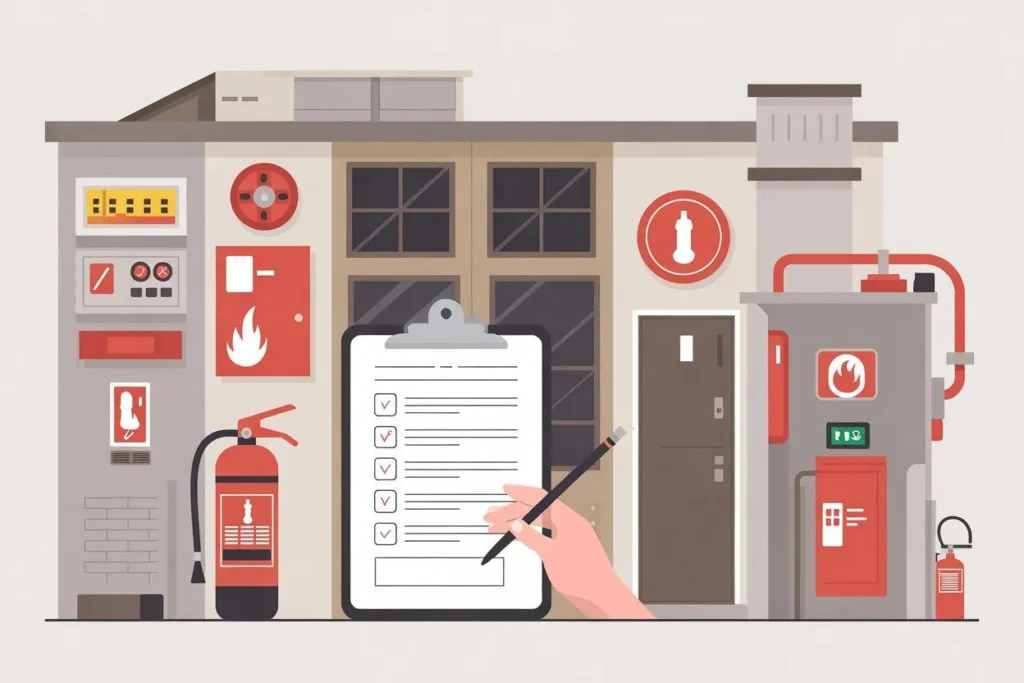
Did you know that UK fire authorities regularly report that a large number of inspected buildings fail basic fire safety checks on the first visit? That usually comes down to poor planning, missing records, or outdated assessments. What this really means is that buyers and tenants who don’t check early often inherit risks they didn’t expect.
Before we go further, here are the key takeaways you’ll get from this guide:
- What to check before buying or renting
- Which risks matter most in real buildings
- How to read an assessment with confidence
- When expert support can save time and money
Let’s break it down.
Why checking fire risks early protects more than just the building
Before contracts are signed, clarity matters. Fire safety issues don’t just affect people’s lives. They affect insurance cover, compliance duties, and long-term costs. Once you take control of a building, those risks become your responsibility.
A solid Fire Risk Assessment carried out at the right time gives you facts, not guesses. It helps you decide whether a property is safe as it stands or needs work before it can be used properly. This is especially important for landlords and commercial buyers, where non-compliance can lead to enforcement action.
What a proper assessment should actually cover
Not all reports are equal. A meaningful review goes beyond paperwork and looks at how the building really works day to day.
This is where a building fire safety checklist UK approach helps. It ensures the assessor checks structure, systems, and management together, not in isolation. For shared or occupied spaces, this also plays a big role in residential fire safety, where escape routes and warning systems must suit real people, not just plans on paper.
Structural fire safety: what’s hidden often matters most
Many of the most serious problems sit out of sight. During site visits, we often find gaps where fire could travel far quicker than expected.
Passive fire protection and compartment checks
Fire resistance depends on barriers doing their job. Walls, floors, and service openings must slow the spread of smoke and flames. A proper passive fire protection survey checks seals, barriers, and penetrations that stop fire from moving between areas.
We’ve worked on buildings where small gaps around cables allowed smoke to spread through multiple floors in minutes. That’s why these checks matter before occupancy.
Fire doors and escape routes people rely on
When a fire starts, people don’t stop to think. They move. That movement depends on doors and routes working as expected.
Fire door condition and route safety
Correct fire door & fire protection compliance means doors close properly, seals are intact, and routes stay clear. Certification, signage, and lighting all play a role. If doors fail or escape paths are blocked, evacuation times increase fast.
This is another area tied closely to residential fire safety, especially in shared buildings where residents rely on common routes they don’t control.
Detection, alarms, and emergency systems
Early warning saves lives. That’s not my opinion. It’s a fact backed by years of fire data.
Alarm systems must suit the building type and layout. Emergency lighting must work even during power loss. Records should show regular testing. In one office block we reviewed, alarms existed but hadn’t been tested for months. On paper, everything looked fine. In practice, it wasn’t.
This is where a second Fire Risk Assessment often reveals gaps missed the first time.
Documents that raise red flags
Paperwork tells a story. Missing or outdated records often point to deeper issues.
Here’s what to check:
- Date of the last review
- Clear action points and completion notes
- Maintenance logs for systems and doors
- Evidence of ongoing management
Using a building fire safety checklist UK approach makes it easier to spot what’s missing before it becomes your problem.
Using a fire risk assessment checklist to make better decisions
A well-used fire risk assessment checklist doesn’t just list faults. It supports smart decisions. Buyers can renegotiate. Landlords can plan upgrades. Tenants can ask the right questions.
We’ve seen deals pause, then proceed safely, simply because risks were identified early. That’s far better than reacting later under pressure.
This stage often includes a follow-up passive fire protection survey to confirm that structural fixes are practical and cost-effective.
Quick comparison: compliant vs risky buildings
Area checkedCompliant buildingHigher-risk building
| Area checked | Compliant building | Higher-risk building |
| Fire doors | Certified, self-closing | Damaged or wedged open |
| Compartments | Properly sealed | Gaps around services |
| Alarm systems | Tested and logged | No recent records |
| Escape routes | Clear and signed | Obstructed or poorly lit |
Tables like this help non-specialists understand risk at a glance.
What fire safety professionals see most often
One industry assessor summed it up well: “Most problems aren’t dramatic. They’re small issues left unchecked for years.” That matches our experience.
Common findings include poor fire door & fire protection compliance, missing seals, and outdated reports copied forward without proper review. These issues add up and affect safety and legality.
A smarter way to protect people and property
Renting or buying without a thorough check for the safety of your home is a risk that very few would like to take, but many take. A clear assessment of the fire risks checklist helps bring focus, confidence, and control over the procedure. It can help protect lives, reduce stress for lawyers and help with long-term planning.
At CAFireProtection, we assist clients with straightforward assessments and practical guidance that reflect real buildings, not merely guidelines. Our team works with owners, landlords, managers, and buyers to ensure safety is manageable, not overpowering.
CAFireProtection concentrates on clarity, compliance, and real-world security. This approach is evident in every single project.
Frequently Asked Questions
Who is responsible for fire safety when renting?
The duty usually sits with the responsible person, often the landlord or managing agent.
Can an old report still be valid?
Only if the building and its use haven’t changed, many don’t meet that test.
Is a new assessment needed before buying?
It’s strongly advised, especially if the last review is outdated.
How often should reviews happen?
They should be reviewed regularly and after any significant change.
What happens if issues are found?
Actions are set, prioritised, and tracked until resolved.