
In the list of building protection tools, Fire Sprinkler systems rank high on both their reputation and effectiveness. But while we are entering 2026, the tech and regulations related to these systems have experienced the biggest change in a decade.
At CA Fire Protection, we believe that safety shouldn’t be complicated. If you are a property manager, business owner or developer, knowing the 2026 updates is crucial not only for being on the right side of the law but also for being safe, above all. You will find this guide very easy and understandable as it goes through all the necessary information regarding the modern fire sprinkler system.
What is a Fire Sprinkler System?
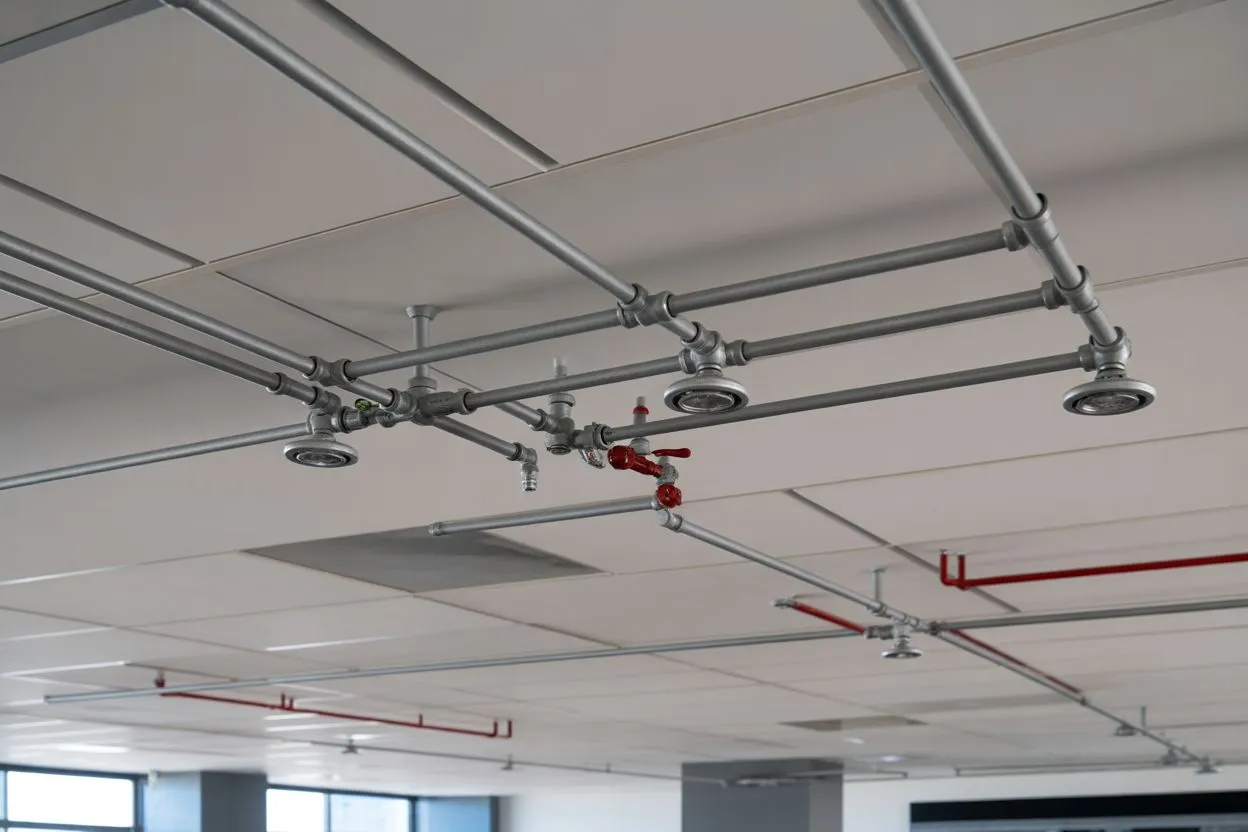
Prior to exploring the new regulations, let us break down the working of these systems to their lowest terms. A fire sprinkler system is a type of fire protection that is considered “active”. It includes a water supply system, a maze of pipes, and sprinkler heads.
Many people believe that one smoke alarm triggers every sprinkler in a building at once—this is a myth. In fact, the sprinklers can be brought on by heat. Only the closest sprinkler head to the fire will operate hence, the water will not damage much and the fire will be extinguished before it can migrate to the other rooms.
The 2026 Regulatory Landscape: What has Changed?
In 2026, the “rulebook” for fire safety was rewritten. The primary drivers of these changes are the updated NFPA Standards (2026 Edition) and the revised British Standard BS 9991.
1. The 11-Meter Mandate for Residential Buildings
There might be no other change that could alter the UK market as much as the strict implementation of the 11-meter rule in 2026. According to the most recent revisions to Approved Document B, the installation of a comprehensive fire sprinkler system is mandatory in all new residential blocks with a ceiling over 11 meters (approximately 4 stories).
- Why it matters: The earlier threshold gets a significant decrease, which implies that a lot of medium-rise buildings, which were not subjected to this requirement in the past, now have to install the entire system.
- Care Homes: By the year 2026, the legislation has gone even further. A sprinkler system for the safeguarding of defenseless inhabitants must be installed in all new care facilities irrespective of their elevations.
2. NFPA 25: New Maintenance Requirements
Assuming that you already have a system, the standard NFPA 25 (testing and maintenance standard, version 2026) has made the inspection cycles more difficult.
- Annual Internal Valve Checks: For dry, preaction, and deluge systems, you are now required to perform an internal inspection of the valves every year. This is meant to prevent the occurrence of MIC (Microbiologically Influenced Corrosion) prior to its consumption of your pipes.
- There is the 50-Year Rule: 2026 which marks a milestone of many older buildings.Standard response sprinklers that have been in service for Fire has finally been caught by technology. However, the mass adoption of IoT-enabled fire sprinkler systems is in 2026.
3. The Rise of “Smart” Sprinklers and AI
Technology has finally caught up with fire safety. In 2026, we are seeing the mass adoption of IoT-enabled fire sprinkler systems.
- Real-Time Pressure Alerts: No longer do you have to wait until your system is manually inspected before you realize your phone has alerted you that pressure is low in your system, avoiding the dreaded false trips or leaks.
- Predictive Maintenance: AI can now be used to predict the time a pipe is at a high risk of failure or corrosion based on the flow and quality of the water.
Types of Fire Sprinkler Systems Used in 2026
Which of the four systems you are likely to encounter depends on the type of building that you have:
| System Type | Best For | How it Works |
| Wet Pipe | Offices, Schools, Homes | Pipes are always full of water. Immediate response. |
| Dry Pipe | Unheated Warehouses, Car Parks | Pipes are full of pressurized air. Water enters only when a head opens. |
| Preaction | Data Centers, Museums | Requires two triggers (heat + smoke) to avoid accidental water damage. |
| Deluge | High-Hazard Areas (Chemical plants) | All heads open at once to “drown” a high-speed fire. |
Why Fire Sprinklers and Fire Stopping Must Go Hand-in-Hand
As experts in passive fire protection, CA Fire Protection wants to highlight a 2026 trend: System Synergy.
A fire sprinkler system (Active) and fire stopping (Passive) are two sides of the same coin. When a sprinkler pipe is installed, it often passes through fire-rated walls or floors. This creates a “service penetration”—essentially a hole that smoke and flames can travel through.
- The 2026 Requirement: Building inspectors now look for certified fire stopping seals around every sprinkler pipe penetration. Unless your sprinkler pipes are fire-stopped correctly, your building fire compartments are vulnerable and you may lose your safety audit.
Common Myths About Fire Sprinklers
- The water damage is even worse than the fire The Reality: A fire sprinkler sprays approximately 80-90 percent of what a high-pressure hose of a fire department sprays. You save your property a lot of destruction of water by preventing the fire at an earlier stage.
- “Burned toast will set them off.”
- The Reality: Sprinklers are triggered by high heat (usually around 68°C), not smoke. Your breakfast is safe!
- “They are ugly and ruin the ceiling.”
- The Reality: Modern 2026 designs include “concealed” heads that sit flush with the ceiling and are covered by a discrete plate that pops off only during a fire.
Action Checklist for Property Owners in 2026
In case you are in charge of a building, just follow these steps in order to remain compliant:
- Check Your Building Height: In case your residential building height is more than 11m and it is not equipped with sprinklers, it is time to talk with an expert about the newer retrofitting guidelines that would come into effect in 2026.
- Review Your Logbook: Ensure your “Accountable Person” has a digital record of the last 12 months of testing.
- Inspect the “Passives: Go through your building and make sure that all the points where the sprinkler pipe goes through the walls are sealed with fire-rated materials.
- Energy Storage Check: If you have been installing EV chargers or large battery backups, make sure that the density of the sprinkler meets the new NFPA 855 requirements for battery fires.
How CA Fire Protection Can Help
Navigating the 2026 fire safety updates can be overwhelming. At CA Fire Protection, we provide the link between your active sprinkler systems and your passive fire stopping. We ensure that your pipes are safe, your walls are sealed, and your building is 100% compliant with the latest UK laws
Would you like a free 2026 compliance audit for your property? Contact us today to speak with a fire safety specialist.